
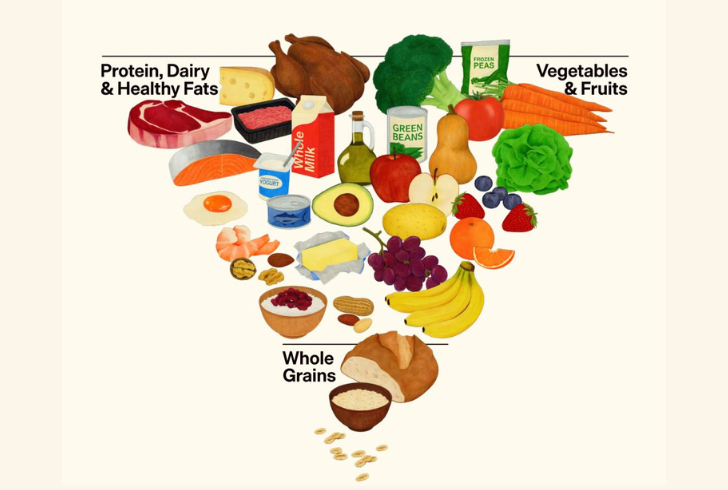
The latest Dietary Guidelines for Americans have arrived, bringing a visual and nutritional shake-up that is already sparking debate. While many familiar principles remain, the newly released guidance introduces an inverted food pyramid that places meat, dairy, and fats at the top.
The update aligns with US Health and Human Services Secretary Robert F. Kennedy Jr.’s “Make America Healthy Again” agenda, which centers on whole foods, protein-forward meals, and fewer additives. At the same time, nutrition experts say the message feels mixed, raising questions about how Americans should actually eat.
What Stayed the Same — And What Changed
Anyone already eating fruits and vegetables daily, limiting ultraprocessed foods, and choosing baking over frying is still on solid ground. Much of the advice mirrors previous editions. The difference lies in emphasis.
The new guidelines promote eating more whole foods, increasing daily protein intake, choosing healthy fats from both plant and animal sources, and cutting back on added sugars and preservatives.
“There are some really good things about it that can really make a difference,” said Dr. Marion Nestle, Paulette Goddard Professor Emerita of Nutrition, Food Studies, and Public Health at New York University.
At the same time, Nestle described parts of the guidance as “muddled, inconsistent, ideological, retro, and hard to understand,” especially the redesigned food pyramid.
How the US Food Pyramid Got Here
The US Department of Agriculture introduced the first official food pyramid in 1992, inspired by a Swedish model from the 1970s. It ranked foods by recommended serving size, placing fats and sweets at the top and grains at the bottom.
By 2005, the pyramid maintained a similar structure but reduced protein guidance and added visuals on physical activity. Still, confusion persisted.
“That was really confusing, even more confusing than the one they put out today,” said Dr. Jerold Mande, CEO of Nourish Science and former senior official at the USDA and FDA. “None of that was intuitive or clear to people.”
In 2011, the government replaced the pyramid with MyPlate, a plate-based graphic that more clearly illustrated portion balance. That image guided nutrition advice for over a decade.
The 2026 Pyramid Turns the Model Upside Down
The 2025–2030 guidelines bring the pyramid back, but flipped. Animal proteins and fats now rank alongside vegetables and fruits in the top tier. Whole grains sit at the base, even though the written guidance does not drastically reduce grain intake.
Daily recommendations include:
2 to 4 servings of whole grains
3 servings of vegetables
2 servings of fruit
Mande said the inverted shape is easier to understand visually. Still, some experts strongly disagree with the message it sends.
“The emphasis on high intake of dairy foods and meat is inconsistent with the evidence,” said Dr. Walter Willett, professor of epidemiology and nutrition at Harvard T.H. Chan School of Public Health. Research shows plant proteins such as nuts, soy foods, and legumes lower cardiovascular risk when compared with red meat, he noted.
Why Eating Whole Foods Still Matters Most
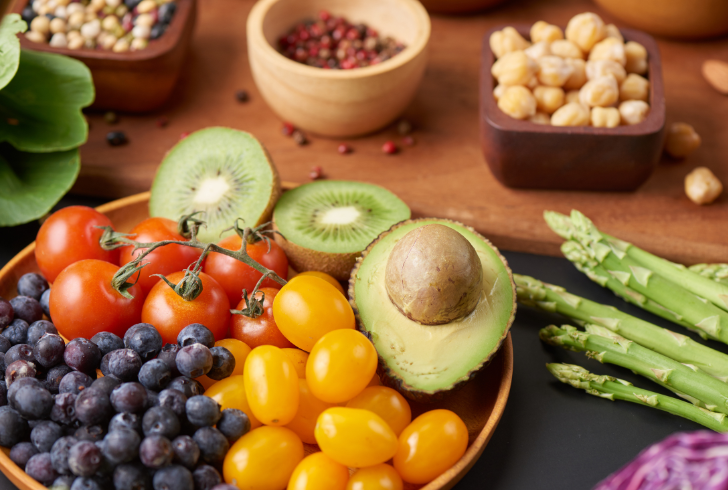
Despite debate over the pyramid, experts agree on one point: whole foods remain central to health.
The guidelines encourage eating a broad mix of whole foods, including fruits and vegetables, whole grains such as brown rice, oats, quinoa, farro, and whole wheat, along with nuts, seeds, and legumes.
“This is something that is absolutely a worthy goal,” said Dr. Alison Steiber, registered dietitian nutritionist and chief mission, impact, and strategy officer at the Academy of Nutrition and Dietetics.
Fiber intake remains a concern. Previous guidelines advised 4.5 cups of fruits and vegetables per day. The new version nearly cuts that in half.
“I don’t know where that came from,” Nestle said. “If you want a healthy microbiome, you need fiber. You have got to feed those bacteria, and the fiber does that.”
Adults are still advised to consume 22 to 34 grams of fiber daily, depending on age and sex.
Ultraprocessed Foods Get Another Warning
The updated guidelines continue to discourage ultraprocessed foods, echoing growing scientific concern. These products are made with industrial techniques and ingredients rarely used in home kitchens, according to the Food and Agriculture Organization of the United Nations.
Research consistently shows that ultraprocessed foods are associated with higher risks of type 2 diabetes, heart disease, obesity, certain cancers, as well as depression and cognitive decline.
These foods tend to be high in calories, sodium, added sugars, refined grains, and additives such as preservatives, emulsifiers, flavor enhancers, and texturizers.
Reading ingredient labels and noticing how foods affect hunger and fullness can help. Whole foods tend to satisfy more, while ultraprocessed options often encourage overeating.
Healthy Fats and the Role of Dairy
The new guidance encourages fats from meats, poultry, eggs, seafood rich in omega-3s, nuts, seeds, olives, avocado, and full-fat dairy. Cooking fats mentioned include olive oil, butter, and beef tallow.
Nestle cautioned that butter and tallow do not provide essential fatty acids. Still, moderation remains the key message.
“I don’t have any trouble with eating full-fat dairy products if you don’t eat too much of it,” Nestle said.
Steiber added that emerging research suggests whole-fat dairy may carry less cardiometabolic risk than once believed. “Yogurt has maybe the best data,” she said.
Saturated fat guidance remains unchanged at no more than 10% of daily calories. This limit is especially important for people with high cholesterol, high blood pressure, or a family history of heart disease, Mande explained. Willett also pointed to links between high dairy intake and increased prostate cancer risk.
Protein Intake: More Than Enough Already

The guidelines raise recommended protein intake from 0.8 grams per kilogram of body weight to 1.2–1.6 grams.
For a 150-pound adult (68 kilograms):
Old guidance: about 54 grams per day
New guidance: 82 to 109 grams per day
“Protein has never been an issue in American diets,” Nestle said. Mande agreed, noting most people already meet or exceed these levels.
Protein sources include lean meats, poultry, seafood, beans, lentils, chickpeas, tofu, nuts, and soy foods. While red meat is now back on the list, experts advise limiting it to a few servings per week due to known health risks.
Sodium, Sugar, and Alcohol Limits Remain Firm
Sodium guidance stays at under 2,300 milligrams per day for anyone age 14 and older. Herbs, spices, and salt-free seasonings can improve flavor without excess sodium.
Added sugar remains a concern. “Sugar has no nutrients other than calories,” Nestle said. The American Heart Association recommends:
No more than 36 grams per day for men
No more than 26 grams per day for women
Alcohol advice now stresses minimizing intake overall. The AHA still recommends no more than 2 drinks per day for men and 1 for women.
How to Apply the Guidelines in Real Life
Nutritional guidance is most effective when it reflects the person following it. Needs vary based on age, activity level, and health history, a point Steiber emphasized when discussing dietary recommendations. That variability is why professional input from a doctor or registered dietitian remains crucial, especially before major shifts in eating patterns.
The newest Dietary Guidelines for Americans arrive with a redesigned visual framework, but their foundational advice remains steady. Whole foods, fiber-rich diets, reduced sugar, and fewer ultraprocessed foods continue to define the guidance. Where opinions diverge is in the renewed focus on meat and dairy, a topic that remains deeply contested among experts.
For most people, balanced meals built around fruits, vegetables, whole grains, and varied protein sources still offer the most straightforward path toward long-term well-being.